Mikoto
Member
133 posts
45 reactions
- Joined
- Sep 5, 2012
- Messages
- 133
- Status
- Activity Streak
I was doing some research into buddhist symbolism and stumbled onto this background information regarding nio-mon temple gates in Japan.
Figure 3
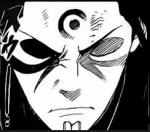
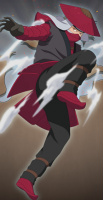
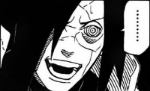
Figure 4. Pages are taken from Naruto Chapter 462 via
Looking at at the expressions of figures 1 & 2 you'll see some obvious similarities in the expressions of the two sons in figure 3. And if you look at figure 5, the weapon that guardian is holding is called a vajra, which oddly enough is the symbol shown in figure 4 represented in the Senju clan flag. A vajra is a weapon in buddhism that represents the opposing forces of creation and destruction that bring balance to the universe. It's kind of a yin yang symbol.
Taken from
The Niō statue guardians are also considered the representation of opposing yet unified forces. They're said to represent the "creation of all things". Please see the above quotes. Interestingly, the Nio figures represent Dainichi Nyorai Buddha in two bodies. Dainichi Nyorai is known for his domination of the five elements and as the all-encompassing lord of the cosmos in esoteric buddhist practice such as Shingon buddhism.
To my mind Dainichi then could represent the Juubi, with the two sons of the sage as emanations of the Juubi's creative and destructive forces, much like the Niō guardians. This is reinforced even further when seeing the white lotus that Dainichi sits upon, much like the Gedo statue. What do you think?
Taken fromFigure 1You must be registered for see images
Figure 2You must be registered for see images
According to a Japanese story, there once was a king who had two wives. His first wife bore a thousand children who all decided to become monks and follow the Buddha's law. His second wife had only two sons. The youngest was named Non-o and helped his monk brothers with their worship. The eldest, Kongō Rikishi 金剛力士, however, had a much more aggressive personality. He vowed to protect the Buddha and his worshipers by fighting against evil and ignorance. Kongō Rikishi was the first of the heavenly kings, called Nio Niō (or Kongō). The second is called Shukongōshin 執金剛神. Within the generally pacifist traditions of Buddhism, stories of Niō guardians like Kongōrikishi justified the use of physical force to protect cherished values and beliefs against evil.
Other Naming Conventions
In Japan, the Niō guardian figures are named Misshaku Kongō 密遮金剛 (aka Agyō 阿形) and Naraen Kongō 那羅延金剛 (aka Ungyō 吽形). They represent the use of overt power and latent power, respectively. Naraen is also called Narayana (Sanskrit). Conceived as a pair, the Niō compliment each other. Misshaku represents overt power, baring his teeth and raising his fist in action, while Naraen represents latent might, holding his mouth tightly closed and waiting with both arms tensed but lowered.
You must be registered for see links
You must be registered for see images
Figure 3
You must be registered for see images
Figure 4. Pages are taken from Naruto Chapter 462 via
You must be registered for see links
You must be registered for see images
Looking at at the expressions of figures 1 & 2 you'll see some obvious similarities in the expressions of the two sons in figure 3. And if you look at figure 5, the weapon that guardian is holding is called a vajra, which oddly enough is the symbol shown in figure 4 represented in the Senju clan flag. A vajra is a weapon in buddhism that represents the opposing forces of creation and destruction that bring balance to the universe. It's kind of a yin yang symbol.
Taken from仁王 = Niō (Jp. = Benevolent Kings)
Emanations of Vajrapani Bodhisattva
阿形
Agyō, Agyo, Agyou, Naraen Kongō 那羅延金剛
Also known as Kongō Rikishi 金剛力士.
A manifestation of Vajrapani (Skt.) or Vajradhara (Skt.)
A manifestation of Vairocana (Dainichi Nyorai) in esoteric sects.
Typically shown with mouth open.
You must be registered for see links
Taken fromMudra of the Six Elements.
In both Japan and Korea, however, Dainichi's hands are more often depicted in the Mudra of the Six Elements, which is also called the "Mudra of the Fist of Wisdom" or the "Wisdom Mudra." This mudra is called Chiken-in in Japan, and it is Dainichi's characteristic hand gesture in Japan (although not always), in which the index finger of the left hand is clasped by the five fingers of the right. This mudra symbolizes the unity of the five worldly elements (earth, water, fire, air, and metal; or earth, water, fire, air, and space) with spiritual consciousness. This is Dainichi's mudra for all the statues sold in this estore. For a review of the most common mudra in Japan, please see the Learn More section below.
You must be registered for see links
You must be registered for see images
You must be registered for see links
The Niō statue guardians are also considered the representation of opposing yet unified forces. They're said to represent the "creation of all things". Please see the above quotes. Interestingly, the Nio figures represent Dainichi Nyorai Buddha in two bodies. Dainichi Nyorai is known for his domination of the five elements and as the all-encompassing lord of the cosmos in esoteric buddhist practice such as Shingon buddhism.
To my mind Dainichi then could represent the Juubi, with the two sons of the sage as emanations of the Juubi's creative and destructive forces, much like the Niō guardians. This is reinforced even further when seeing the white lotus that Dainichi sits upon, much like the Gedo statue. What do you think?
Last edited: